

 All About Incontinence | Allanda










Welcome to Allanda
The Incontinence Shop that offers you the widest choice of incontinence products at the best possible prices.

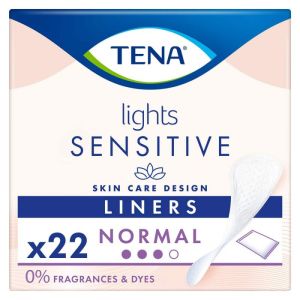
20% OFF
Special Price
£1.75
Regular Price
£2.20

Breathable
Dual Leakage Barriers
0% Fragrances and Dyes
Fast Absorbing
Individually Wrapped
Dual Leakage Barriers
0% Fragrances and Dyes
Fast Absorbing
Individually Wrapped
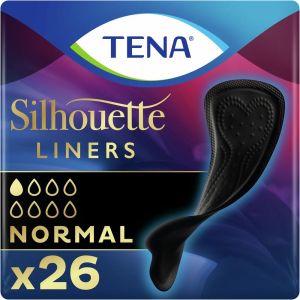
19% OFF
Special Price
£2.10
Regular Price
£2.59
Triple Protection
Discreet Design
Dermatologically Tested
Odour Protection
Perfume Free
Discreet Design
Dermatologically Tested
Odour Protection
Perfume Free
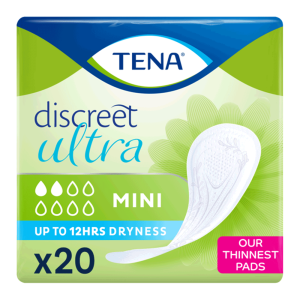
16% OFF
Special Price
£2.43
Regular Price
£2.90
Self-Adhesive Strip
Leakage Security
Body-Shaped
Discreet
Easy Removal
Leakage Security
Body-Shaped
Discreet
Easy Removal
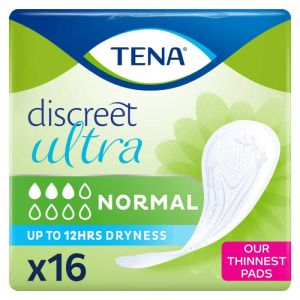
6% OFF
Self-Adhesive Strip
Leakage Security
Body-Shaped
Discreet
Easy Removal
Leakage Security
Body-Shaped
Discreet
Easy Removal
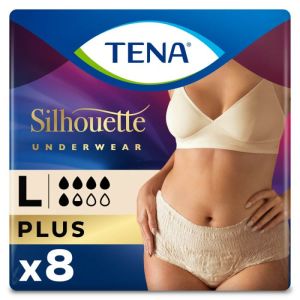
10% OFF
Narrow Waistband
Breathable Materials
Dual Leakage Barriers
Body-Close Fit
Maximum Discretion
Breathable Materials
Dual Leakage Barriers
Body-Close Fit
Maximum Discretion
Unisex Incontinence Products - Best Sellers
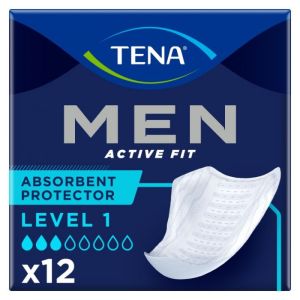
£3.25
As low as
£2.93
Discreetly-Shaped
Easy Removal
Leakage Security
For small losses
Convenient Fit
Easy Removal
Leakage Security
For small losses
Convenient Fit
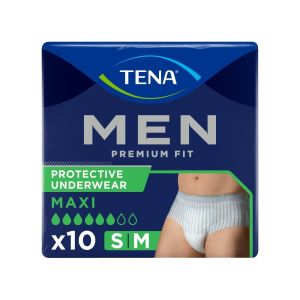
10% OFF
Narrow Waistband
Breathable Materials
Dual Leakage Barriers
Body-Close Fit
Maximum Discretion
Breathable Materials
Dual Leakage Barriers
Body-Close Fit
Maximum Discretion
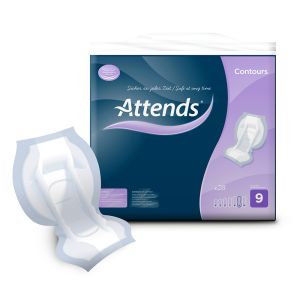
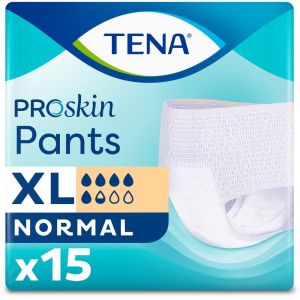
- Tear-away seams for outer material
- Ideal for managing moderate incontinence
- Breathable outer material
- Designed in a subtle peach colour
- Fast liquid absorption
- FeelDry Technology
- Locks urine in the core
£11.49
As low as
£10.34
Built-in Pad
Maximum discretion
Moisture-reducing technology
Odour Control
Breathable Materials
Maximum discretion
Moisture-reducing technology
Odour Control
Breathable Materials

Mattress & Chair Protection / Hygiene & Skin Care - Best Sellers
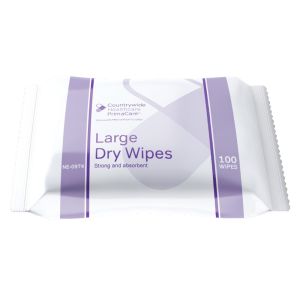
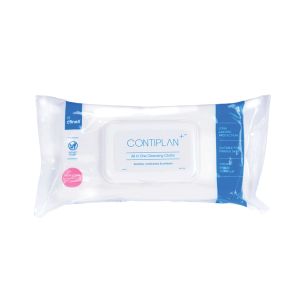
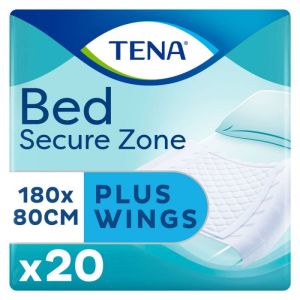
£12.99
As low as
£11.69
Bed and Chair Protection
Tuck In Flaps
Leakage Protection
Odour Reduction
Disposable
Tuck In Flaps
Leakage Protection
Odour Reduction
Disposable
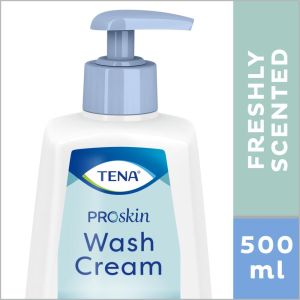
£4.50
As low as
£4.06
3-In-1
For Delicate Skin
Soap Replacement
Incontinence Product Friendly
Restores and Protects
For Delicate Skin
Soap Replacement
Incontinence Product Friendly
Restores and Protects
This Weeks Top Products
19% OFF
Special Price
£2.10
Regular Price
£2.59
Triple Protection
Discreet Design
Dermatologically Tested
Odour Protection
Perfume Free
Discreet Design
Dermatologically Tested
Odour Protection
Perfume Free
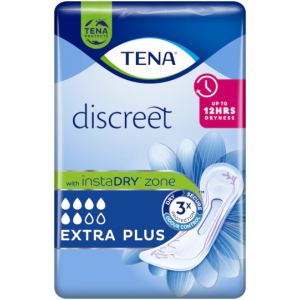
11% OFF
Special Price
£2.45
Regular Price
£2.75
Self-Adhesive Strip
Leakage Security
Body-Shaped
Silky Soft Surface
Easy Removal
Leakage Security
Body-Shaped
Silky Soft Surface
Easy Removal
10% OFF
Narrow Waistband
Breathable Materials
Dual Leakage Barriers
Body-Close Fit
Maximum Discretion
Breathable Materials
Dual Leakage Barriers
Body-Close Fit
Maximum Discretion
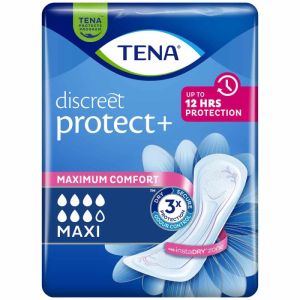
8% OFF
Lie-Down Protection
Odour Control
Body-Shaped
Silky Soft Surface
Dermatologically Tested
Odour Control
Body-Shaped
Silky Soft Surface
Dermatologically Tested
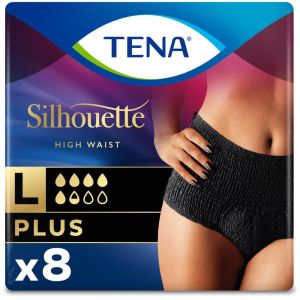
22% OFF
Special Price
£5.85
Regular Price
£7.47
Triple Protection
Waist size: 75-105cm
Integrated Leakage Barriers
Micro-stretch fabric
Perfume free
Waist size: 75-105cm
Integrated Leakage Barriers
Micro-stretch fabric
Perfume free
Popular Brands





This form is protected by reCAPTCHA - the Google Privacy Policy and Terms of Service apply.